
Extractions
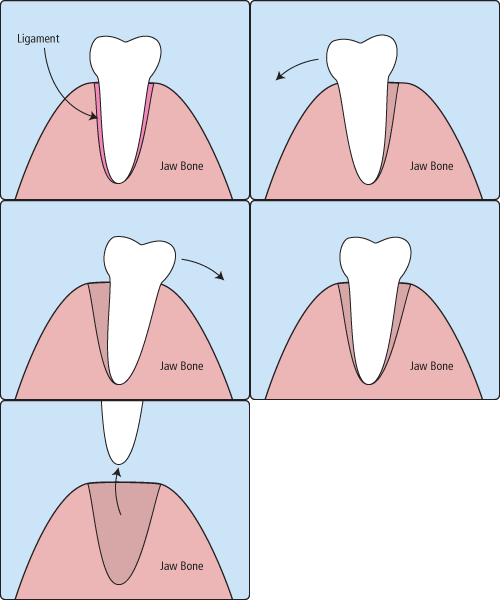
When faced with a severely damaged or decayed tooth, dental extractions become a necessary solution to alleviate pain, prevent further complications, and restore oral health. Dr. Cordora may recommend an extraction under various circumstances, tailored to your unique situation. These may include:
- Fractured or Broken Tooth: If more than half of a tooth has fractured or broken off at the gumline, extraction may be the only viable option to prevent infection and restore functionality.
- Extensive Decay: When a cavity is too large to repair with a filling or crown, extraction becomes necessary to maintain oral health and prevent the spread of decay to adjacent teeth.
- Impacted Teeth: Impaction occurs when a tooth has not fully erupted beyond the gum line, or only partially erupts. Overcrowding, a tooth that is twisted or tilted at abnormal angles, or a tooth that comes in displaced, are all reasons why a tooth may become impacted. Wisdom teeth are often impacted because the jaw is not large enough to accommodate these teeth.
Procedure and Comfort
During your extraction at our Hickory dental office, Dr. Cordora will ensure your comfort by administering local anesthesia to numb the surrounding area, minimizing any pain or discomfort. While some pressure may be felt during the procedure, you should not experience pain. In cases of severe infection, additional anesthesia can be provided for comfort.
After the extraction, you may experience temporary pain, swelling, or numbness, depending on the complexity of the extraction and individual healing responses. It's crucial to follow post-operative instructions carefully to promote healing and minimize complications. Smokers should be particularly vigilant, as they are at higher risk of developing dry socket.
Healing Process
The extraction site typically heals within three to six weeks, although this timeframe may vary based on factors such as smoking habits, age, and underlying health conditions like diabetes. Sutures, if used, are typically removed after one week. You will receive both verbal and written post-operative instructions to guide you through the recovery process.
Preventive Measures and Tooth Replacement
To prevent adjacent tooth movement and restore chewing function, it's advisable to replace the extracted tooth promptly. Dental implants are the preferred option due to their longevity and minimal impact on adjacent teeth. However, bridges offer an alternative if implants are not feasible. Dr. Cordora conducts a comprehensive examination to determine the best treatment option and prognosis for your unique needs.
With proper care and attention to post-operative instructions, you can expect a smooth recovery and restored dental function.